


Shop number 101, First floor,Maruti Plaza, Plot number 457,
Vidya Vikas Circle, Gangapur Road, Nashik
Pimples are one of the most common skin concerns among teenagers and adults. They can appear on the face, forehead, cheeks, chin, chest, and back. While occasional pimples may disappear on their own, persistent acne can lead to inflammation, dark spots, and permanent scars if not managed appropriately.
If you are looking for Pimples Treatment in Nashik, Nehete Skin and Hair Clinic provides dermatological care led by Dr. Sanket Nehete, MD, Dermatologist, Dermatosurgeon and Hair Transplant Surgeon. The clinic focuses on understanding each patient's skin concerns, identifying possible causes, and recommending an individualised treatment plan.
Acne can develop due to clogged pores, excess oil production, hormonal changes, bacteria, and inflammation. The right treatment depends on the type and severity of acne, your skin type, medical history, and whether you have acne marks or scars.
At Nehete Skin and Hair Clinic, patients can enquire about a dermatology consultation to understand their skin condition and explore appropriate treatment options. The goal is to manage acne effectively, reduce the risk of scarring, and support healthier-looking skin through professional guidance.

Pimples are a common feature of acne, a skin condition that develops when hair follicles become blocked with oil and dead skin cells. Inflammation and the presence of acne-associated bacteria can contribute to the development of different types of pimples. Several factors may contribute to acne, including:
Sebum can combine with dead skin cells and contribute to clogged pores.
Hormonal fluctuations during puberty, menstrual cycles, and certain medical conditions can influence oil production.
Dead skin cells and excess oil can lead to blackheads, whiteheads, and inflamed pimples.
A family history of acne may increase the likelihood of developing it.
Heavy or pore-clogging products may worsen acne in some individuals.
Stress may aggravate existing acne in some people, although it is not the only cause.
Some medicines can trigger or worsen acne-like breakouts.
Acne is not necessarily a result of poor hygiene. Washing the face excessively or scrubbing pimples aggressively can irritate the skin and make symptoms worse.
Identifying the type of acne is an important step in selecting the right treatment.
Whiteheads develop when pores become blocked with oil and dead skin cells. They appear as small, skin-coloured or whitish bumps and may be more noticeable on the forehead, nose, and chin.
Blackheads are open, clogged pores with a dark appearance. The colour results from changes in the material inside the pore, not simply from dirt. Squeezing or aggressively scrubbing blackheads can irritate the skin.
Inflamed pimples may appear as red, tender bumps. They can occur when blocked follicles become inflamed. Picking these pimples may increase the risk of dark marks and scarring.
Some pimples develop a visible white or yellow centre containing pus. These lesions may be painful or inflamed and should not be squeezed, as this can worsen irritation and increase the risk of scarring.
Nodules and deeper inflammatory acne lesions can be painful and may extend deeper into the skin. They carry a higher risk of permanent scarring and often require prescription treatment under a dermatologist's supervision.
The most appropriate Pimples Treatment in Nashik depends on the severity of acne, the type of lesions, and your skin's response to previous treatments. A dermatologist may recommend topical medication, oral medication, suitable skincare, or selected clinical procedures.
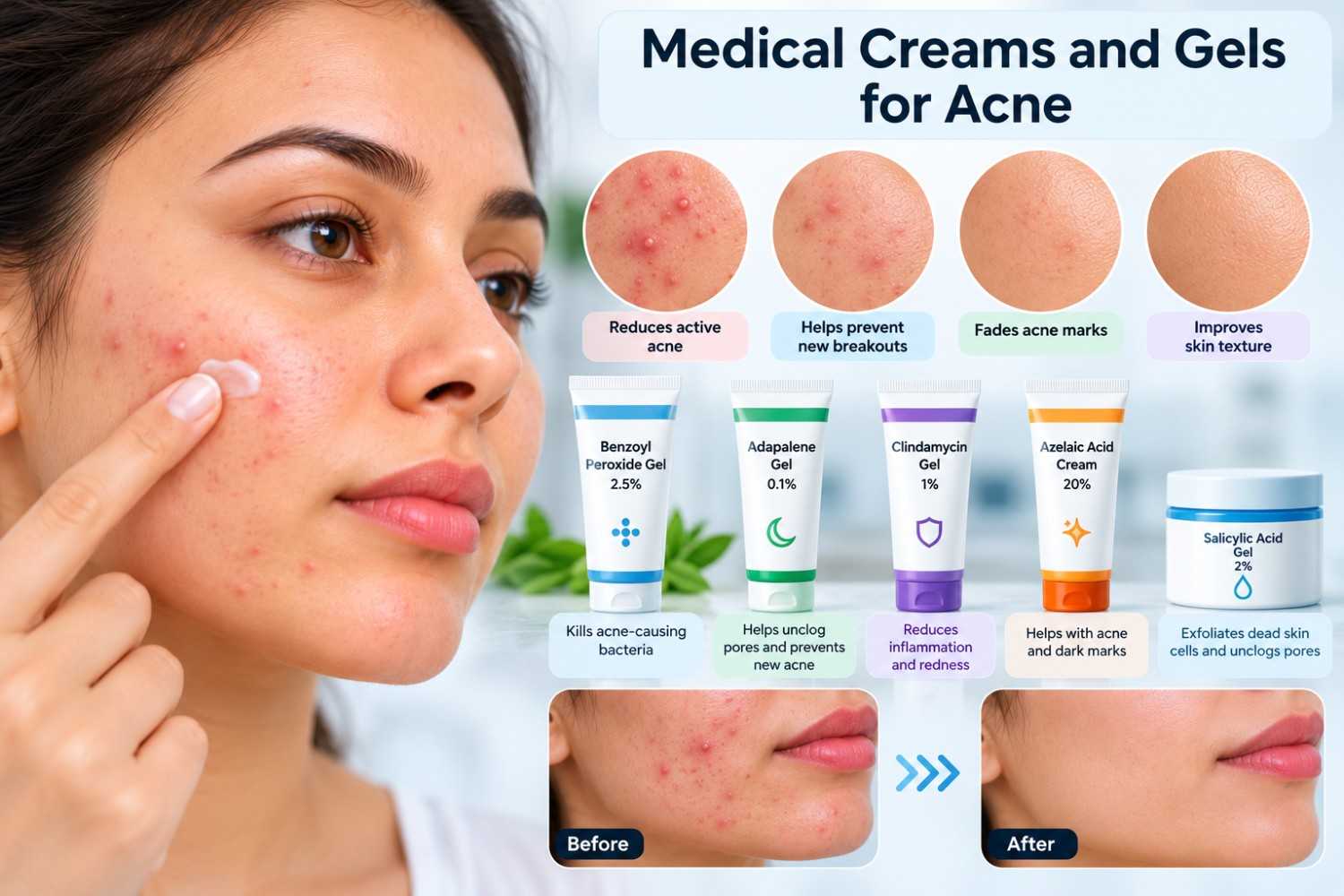
Topical treatments are commonly used for mild to moderate acne. Depending on your skin condition, a dermatologist may recommend products containing ingredients such as benzoyl peroxide, topical retinoids, or azelaic acid.
These treatments can help manage clogged pores, inflammation, and acne-causing processes. Some products may cause dryness, redness, or irritation, particularly when treatment begins.
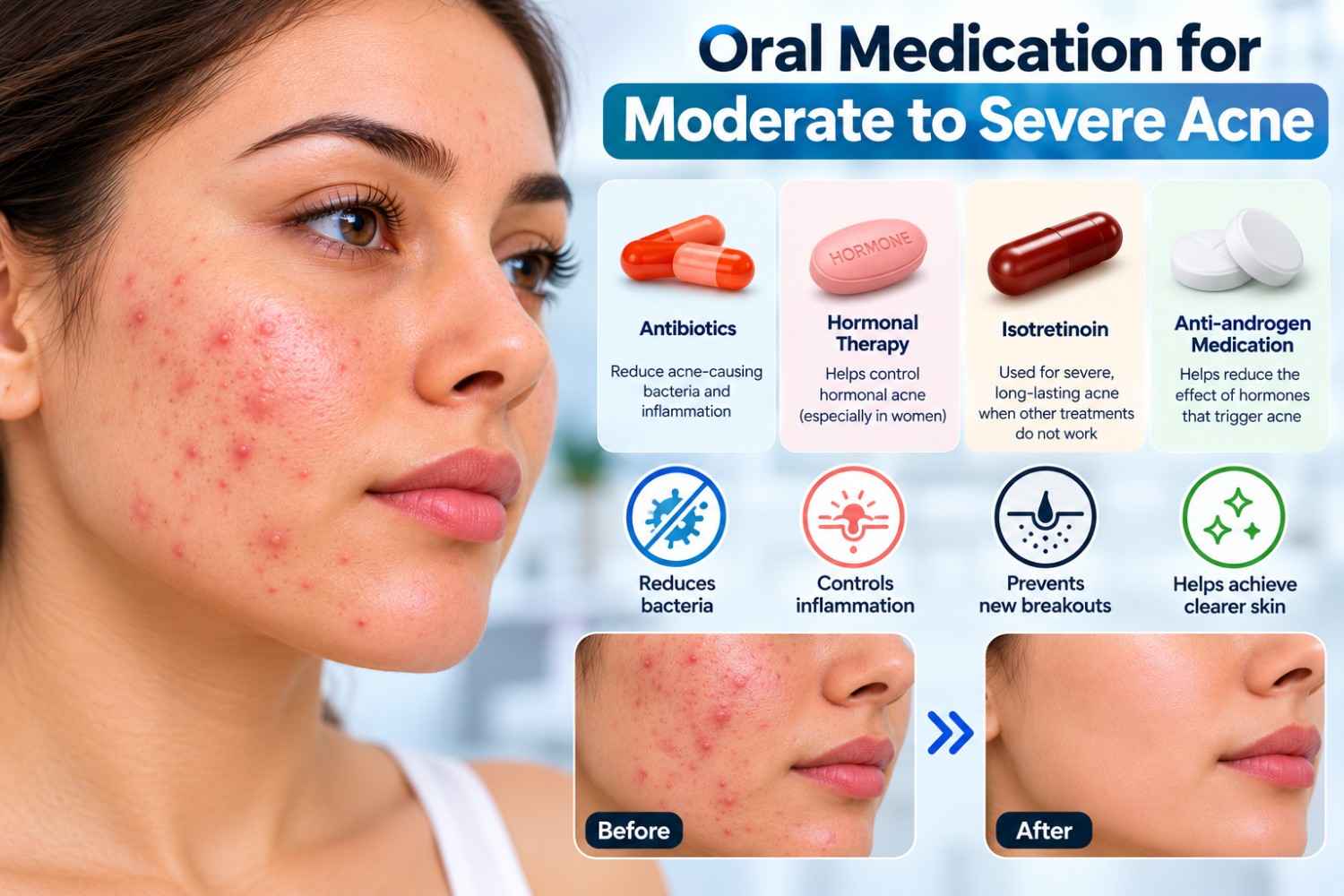
Some people with persistent, widespread, or deeper inflammatory acne may need oral medication in addition to topical treatment.
Depending on the clinical assessment, a dermatologist may consider certain oral antibiotics for a limited period, hormonal treatment for selected patients, or isotretinoin for severe or treatment-resistant acne.
These medicines have different risks, contraindications, and monitoring requirements. Isotretinoin, in particular, can cause serious birth defects and requires strict pregnancy-prevention precautions where relevant. It must be prescribed and monitored by a qualified medical professional.
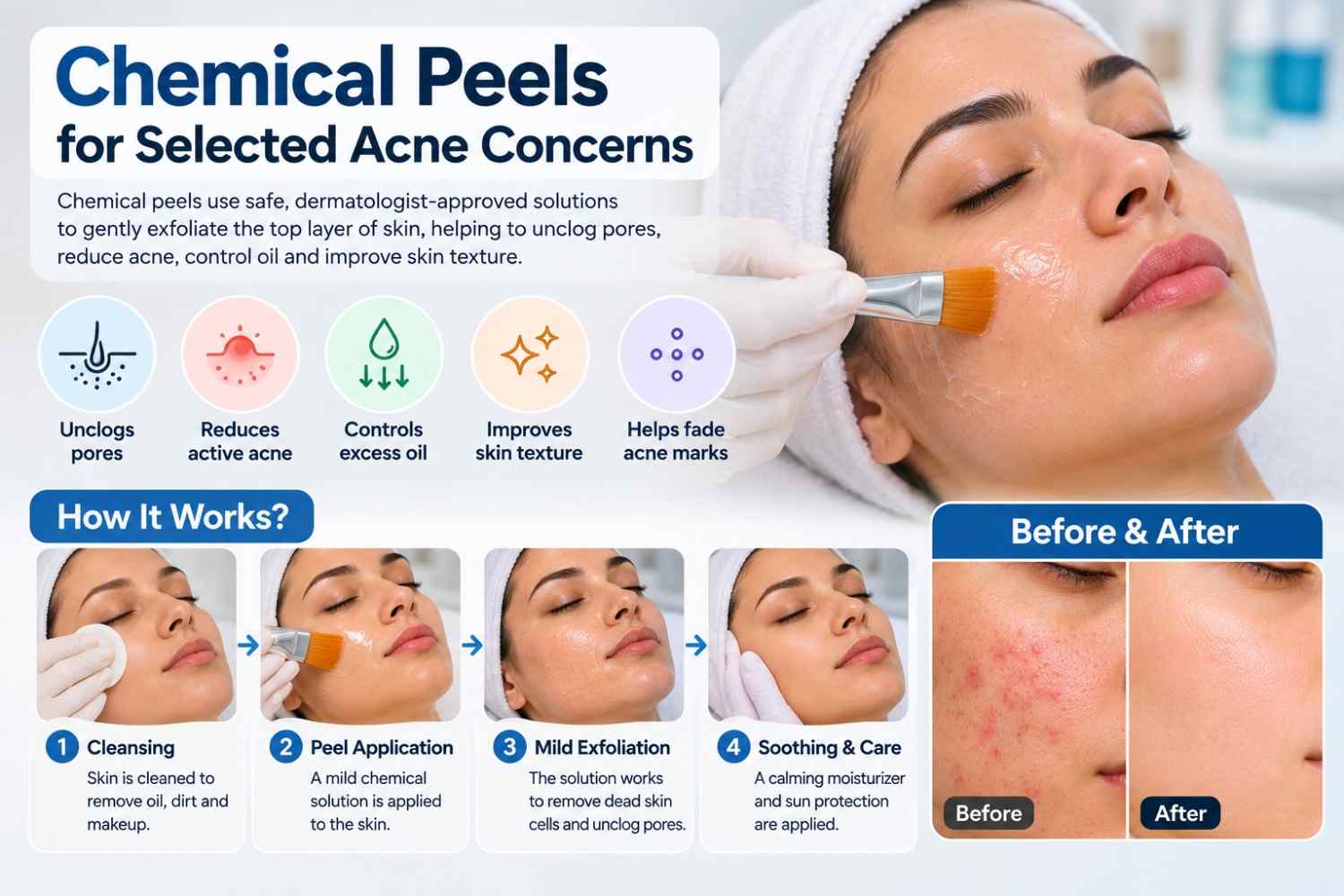
Certain chemical peels may help selected patients with acne, clogged pores, and post-acne pigmentation. They work by applying a chemical solution that produces controlled exfoliation of the skin.
The choice of peel depends on the skin concern, skin type, and medical history. People with darker skin tones may be at risk of developing additional pigmentation after irritation or an unsuitable procedure.
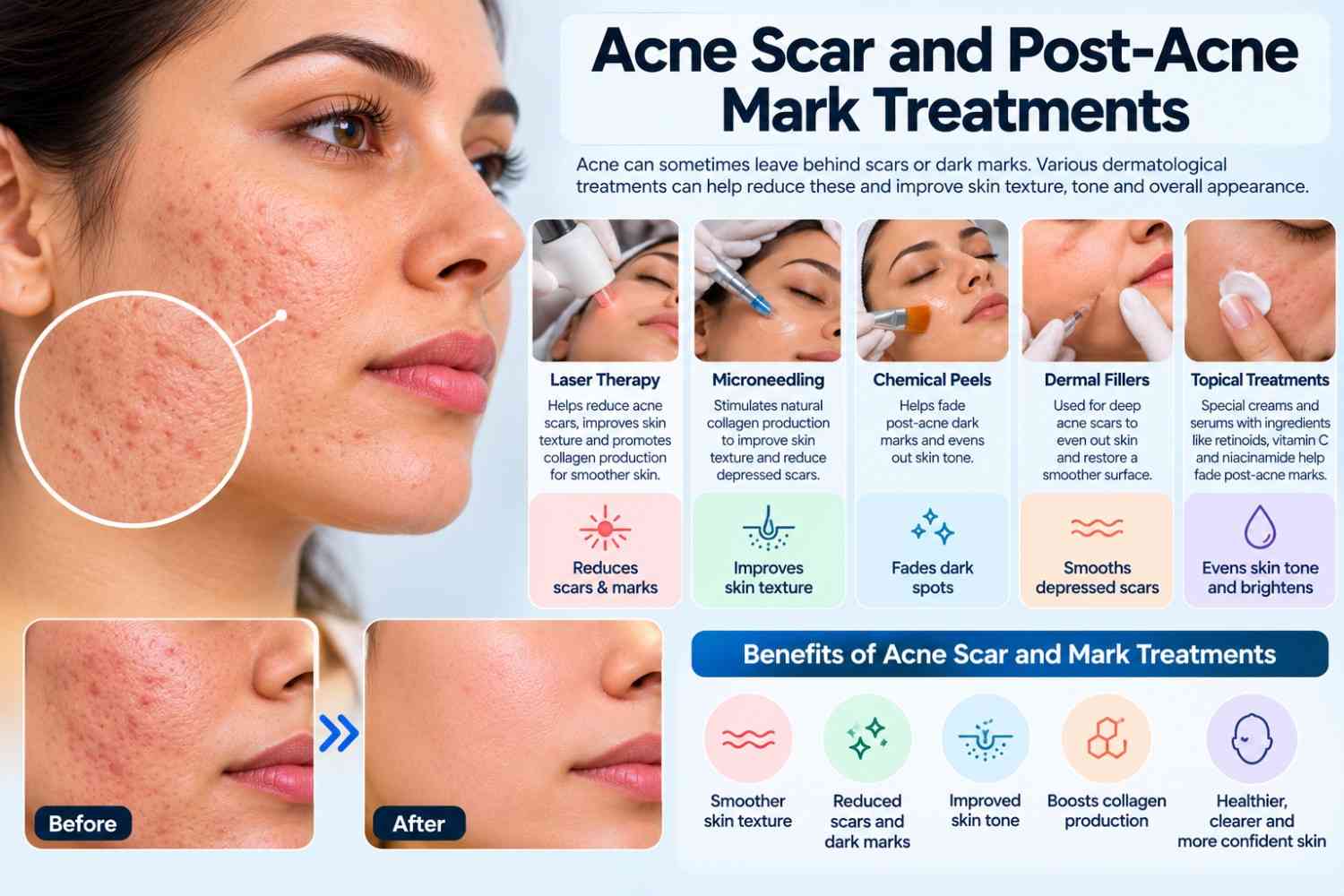
Acne marks and acne scars are different concerns. Flat dark or reddish marks may gradually fade, while depressed or raised scars involve changes in the skin's structure.
Depending on the type of scar, treatment options may include microneedling, selected laser procedures, chemical peels, subcision, or other dermatological procedures. Not every procedure suits every scar or skin type, and multiple sessions may be needed.
A suitable daily skincare routine can complement medical acne treatment. A dermatologist may recommend a gentle cleanser, a non-comedogenic moisturiser, and sunscreen suited to your skin type.
Avoid harsh scrubs, frequent product changes, and squeezing pimples. Introducing too many active ingredients at once can damage the skin barrier and worsen irritation.
Acne can look similar from one person to another, but the underlying causes, severity, and treatment requirements may differ. A dermatologist can assess your skin and help distinguish acne from other conditions that may cause acne-like bumps.
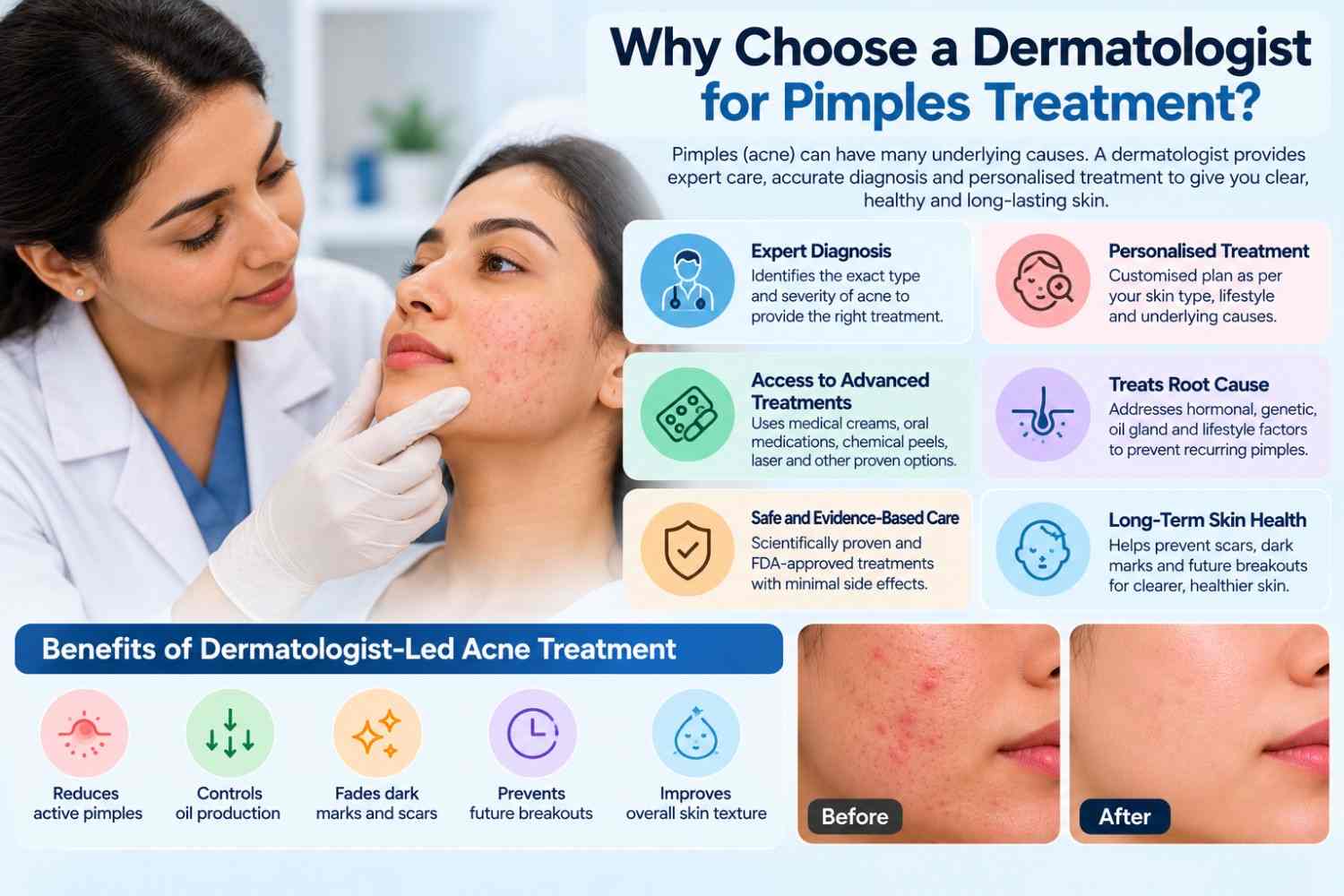
A professional consultation can help with:
Dr. Sanket Nehete, MD, is a dermatologist, dermatosurgeon, and hair transplant surgeon who leads Nehete Skin and Hair Clinic. Patients can enquire about a consultation to discuss acne, acne marks, scarring, and other skin concerns.
Although acne cannot always be prevented, some daily habits can help reduce irritation and support treatment.
Wash your face gently, generally twice a day and after heavy sweating. Avoid aggressive scrubbing, which can irritate inflamed skin.
Look for moisturisers, sunscreens, and cosmetics labelled non-comedogenic when appropriate. These products are designed to be less likely to block pores.
Picking pimples can worsen inflammation, increase the risk of infection, and contribute to dark marks and permanent scars.
Sun exposure can make post-acne pigmentation more noticeable. Use a broad-spectrum sunscreen with SPF 30 or higher and reapply as directed, especially when spending time outdoors.
Many acne treatments take several weeks to show noticeable improvement. Follow the recommended routine and consult your dermatologist if the treatment causes significant irritation or your acne worsens.
If breakouts are painful, leave scars, or do not improve with appropriate treatment, professional evaluation is important. Avoid repeatedly trying unverified home remedies or strong products without guidance.
The Pimples Treatment Cost in Nashik varies according to the severity of acne, the type of treatment recommended, the medicines or procedures involved, and the duration of care.
Mild acne may require a topical skincare and medication plan, whereas severe or persistent acne may need prescription medicines, monitoring, or additional procedures for acne scars.
For current pricing, contact Nehete Skin and Hair Clinic directly. An individual assessment is the best way to understand the likely treatment requirements and associated costs.
Nehete Skin and Hair Clinic is a dermatology and aesthetic care centre led by Dr. Sanket Nehete, MD, Dermatologist, Dermatosurgeon and Hair Transplant Surgeon.
The clinic emphasises detailed consultation, clear explanations, and personalised treatment planning. Patients can discuss their skin concerns, understand the available options, and learn about realistic outcomes and follow-up care.
If you are searching for a skin specialist in Nashik, an acne doctor in Nashik, or professional advice for persistent pimples, you can contact the clinic to enquire about consultation availability.

Persistent pimples can affect both skin health and confidence. With an appropriate treatment plan, many forms of acne can be managed, and the risk of developing new acne scars may be reduced.
At Nehete Skin and Hair Clinic, Dr. Sanket Nehete focuses on personalised dermatological care, accurate assessment, and clear communication to help patients make informed decisions about their skin.
If you are looking for Pimples Treatment in Nashik, contact Nehete Skin and Hair Clinic to enquire about a consultation for acne, recurring breakouts, acne marks, or acne scars.
If you are looking for Pimples Treatment in Nashik, Nehete Skin and Hair Clinic offers personalised dermatological care under the guidance of Dr. Sanket Nehete, MD. Whether you are experiencing recurring pimples, inflamed acne, acne marks, or acne scars, the right treatment begins with understanding your skin condition and its underlying causes.
Choosing a suitable Pimples Treatment in Nashik can help manage breakouts, reduce inflammation, and lower the risk of permanent scarring. With professional guidance, appropriate medication, and a consistent skincare routine, you can work towards healthier-looking skin and better long-term acne management.
The best treatment depends on the type and severity of acne, your skin type, medical history, and previous treatments. Options may include topical creams, oral medication, or selected clinical procedures. A dermatologist can recommend a suitable plan after assessing your skin.
Recurring pimples can be related to excess oil production, clogged pores, hormonal changes, genetics, certain skincare products, and other factors. A dermatologist can help identify likely triggers and recommend appropriate treatment.
Many acne treatments need around six to eight weeks before noticeable improvement, and further improvement may take several months. The timeline depends on acne severity, the treatment used, and individual response.
Yes. Deep, inflamed acne lesions and repeated picking can increase the risk of permanent scars. Early and appropriate acne treatment can help reduce this risk.
The cost depends on acne severity, medicines, consultations, and any procedures required. Contact Nehete Skin and Hair Clinic for current pricing and personalised treatment guidance.