


Shop number 101, First floor,Maruti Plaza, Plot number 457,
Vidya Vikas Circle, Gangapur Road, Nashik
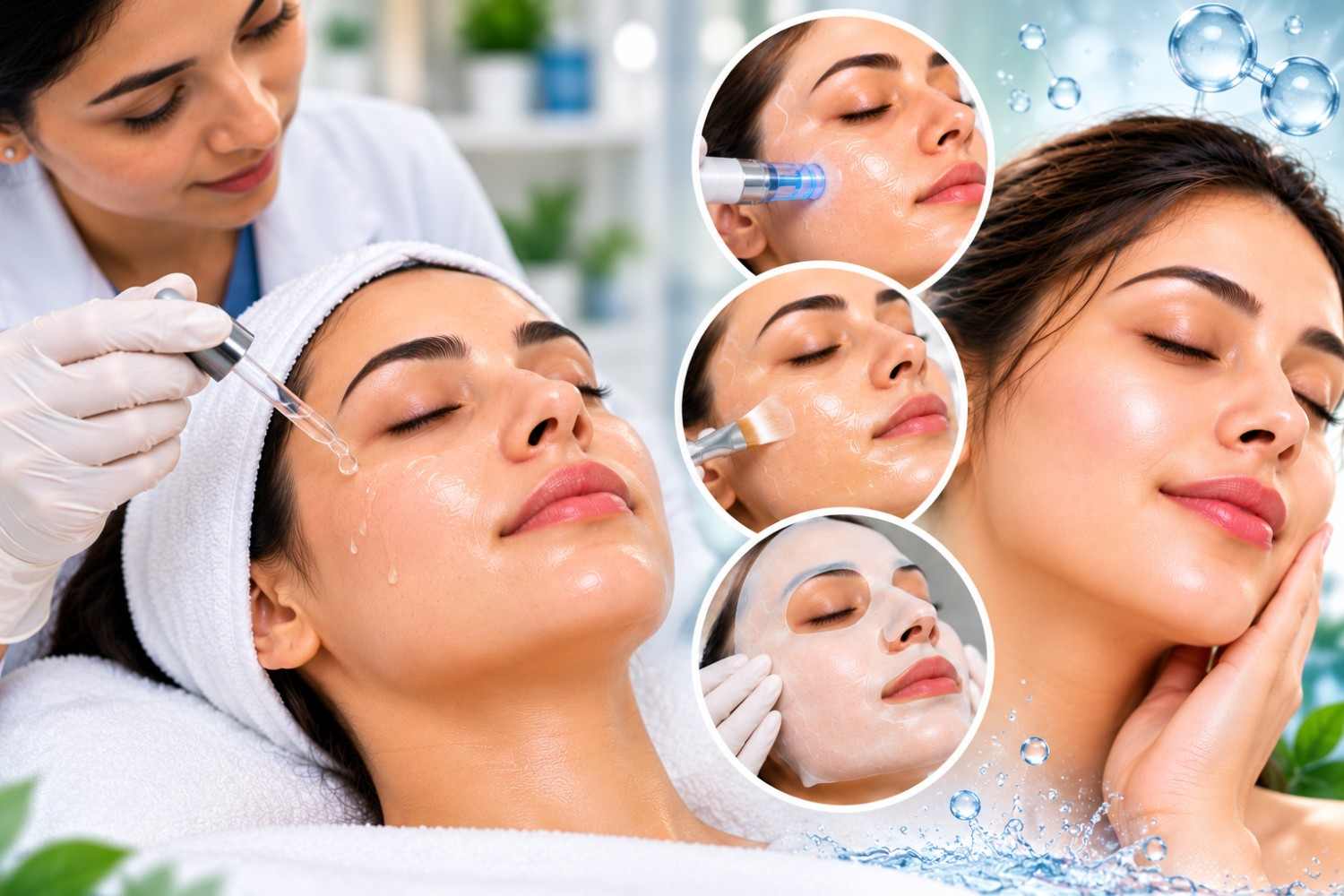
Healthy, glowing skin is not just about appearance; it also reflects the importance of a consistent skincare routine and appropriate skin care. Factors such as sun exposure, pollution, dehydration, dead skin cell buildup, uneven skin tone, acne marks, and ageing can make skin appear dull or tired. If you are looking for Skin Glow Treatment in Nashik choosing the right treatment for your skin type and concerns is an important first step.
Nehete Skin and Hair Clinic, led by Dr. Sanket Nehete MD (Dermatologist, Dermatosurgeon & Hair Transplant Surgeon), focuses on personalised dermatological care. A detailed skin assessment can help identify the possible causes of dullness, pigmentation, uneven texture, or other skin concerns and guide the selection of suitable treatment options.
Whether you want to improve skin texture, address uneven skin tone, reduce the appearance of pigmentation, or maintain a healthy-looking complexion, professional guidance can help you build a skincare plan suited to your needs.
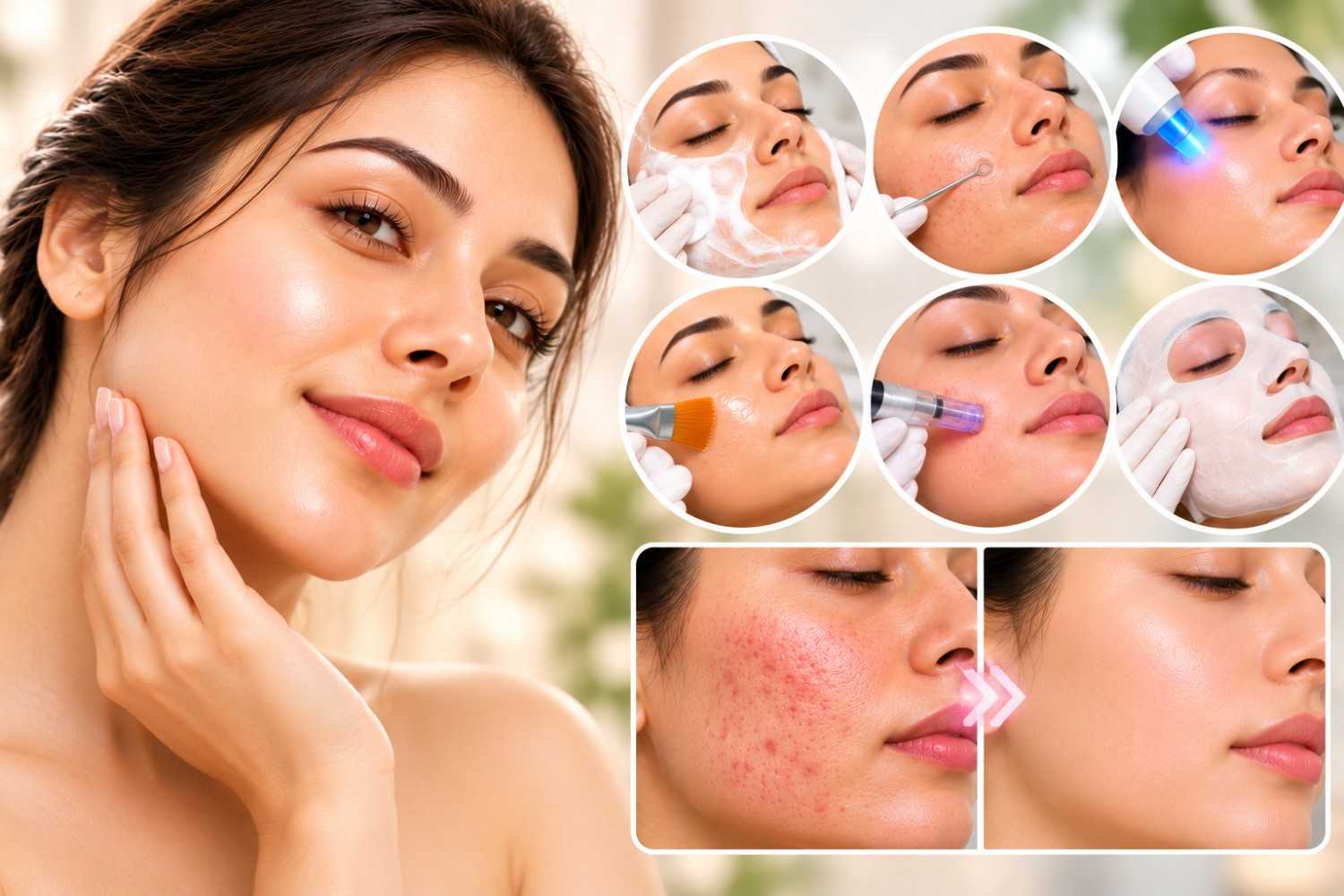
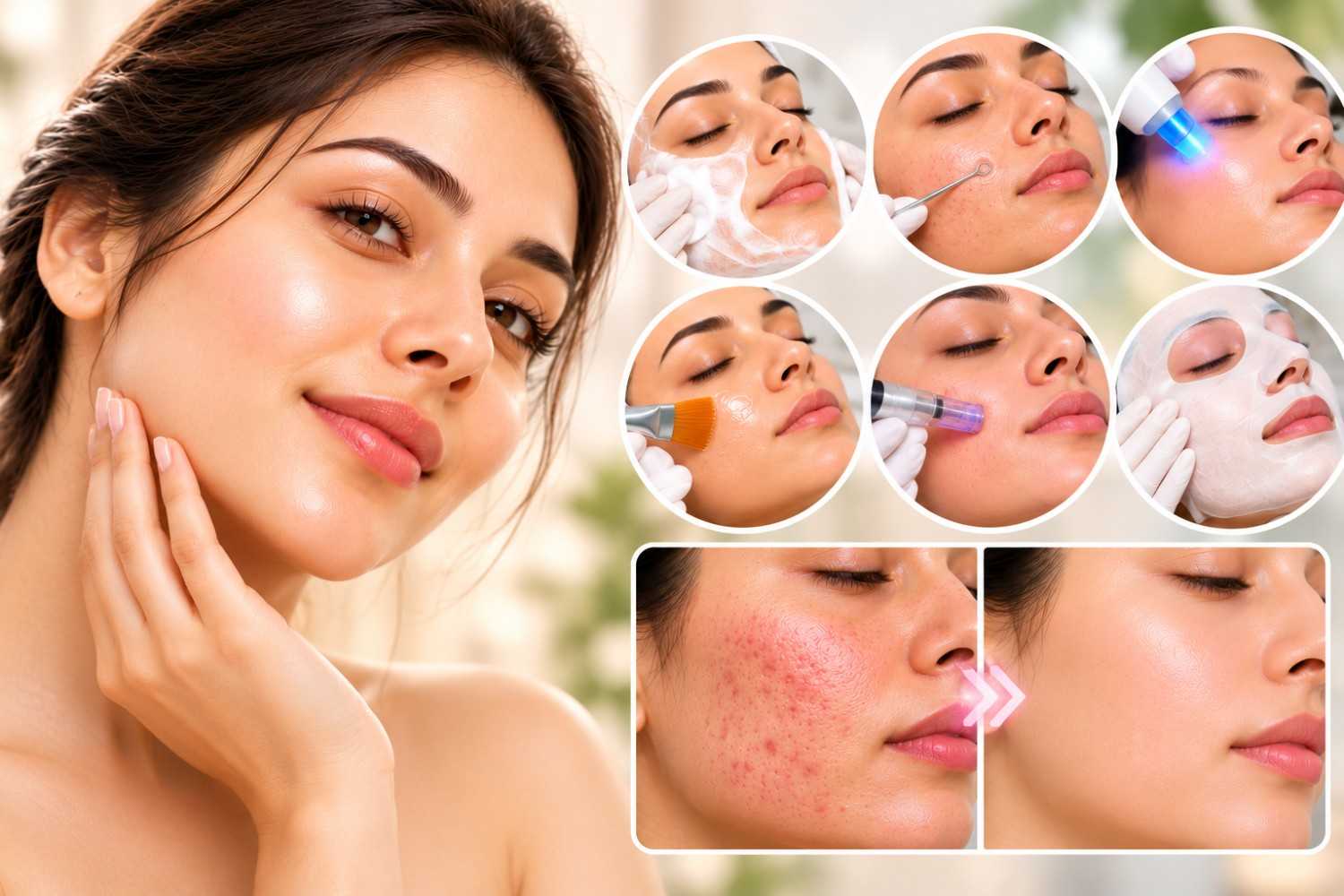
Skin glow treatment refers to skincare procedures and routines intended to improve the appearance, texture, hydration, and evenness of the skin. The most appropriate approach depends on your skin type, current concerns, medical history, and treatment goals.
There is no single treatment that suits everyone. Some people may benefit from a dermatologist-recommended skincare routine, while others may require a procedure after a professional assessment. The aim is to support healthier-looking skin safely rather than promise instant or permanent fairness.
Several factors can affect the appearance of your skin. Identifying the underlying concern helps determine the most suitable care.
Dullness may occur due to dryness, sun exposure, environmental pollution, dead skin cell buildup, or an unsuitable skincare routine. Gentle cleansing, appropriate moisturising, sun protection, and dermatologist-guided treatment may help improve the skin's appearance.
Uneven skin tone can develop when different areas of the skin have varying levels of pigmentation. Sun exposure, previous inflammation, and hormonal factors may contribute. The treatment approach depends on the cause and may involve topical skincare or other dermatologist-recommended options.
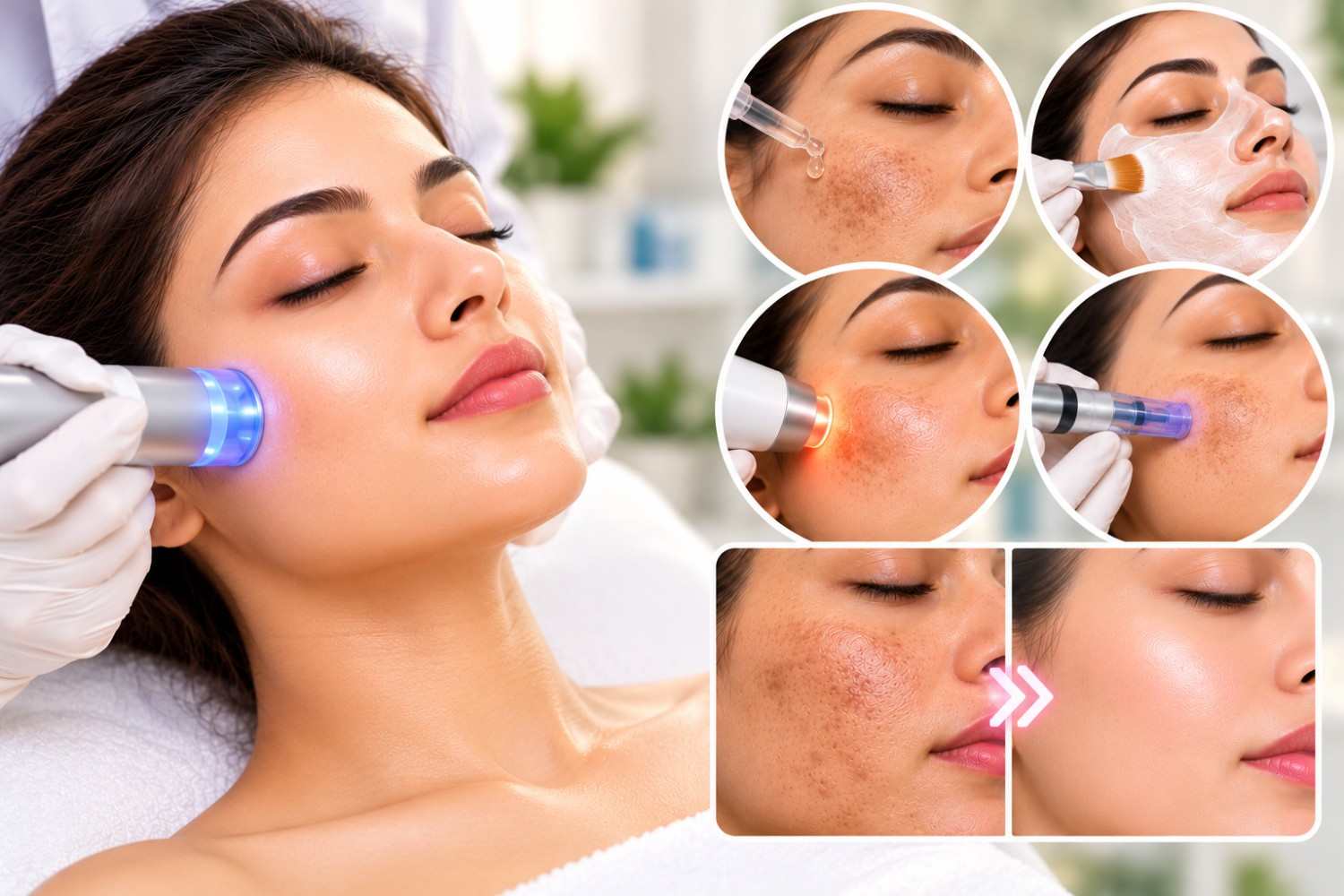
Dark spots and pigmentation can appear after acne, sun exposure, or other skin conditions. It is important to identify the type of pigmentation before choosing treatment. Some procedures and active skincare ingredients may help selected cases, but unsuitable products can irritate the skin and worsen pigmentation.
Skin that lacks adequate moisture may look rough, flaky, or less radiant. Using a suitable moisturiser and avoiding harsh products can support the skin barrier. Persistent dryness or irritation should be assessed by a dermatologist.
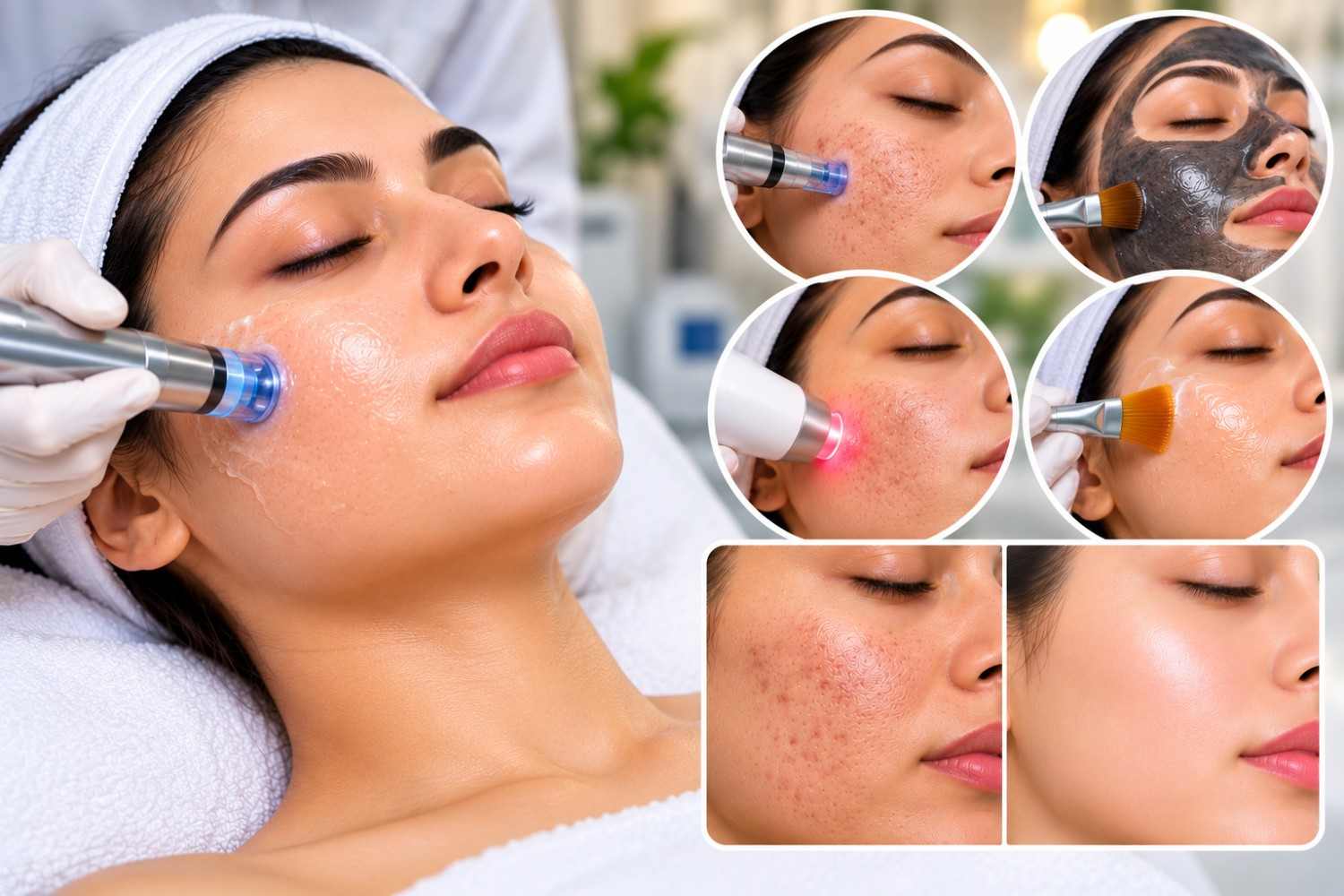
Roughness, enlarged-looking pores, acne marks, and fine lines may affect skin texture. The treatment depends on the concern and its severity. A dermatologist can explain realistic expectations and the potential benefits and risks of available options.
The right treatment depends on your skin condition and desired outcome. Following an assessment, a dermatologist may recommend one or more suitable options, depending on clinical need and availability.
A consistent skincare routine is often the foundation of healthy-looking skin. It may include a gentle cleanser, moisturiser, broad-spectrum sunscreen, and selected active ingredients based on your skin concerns.
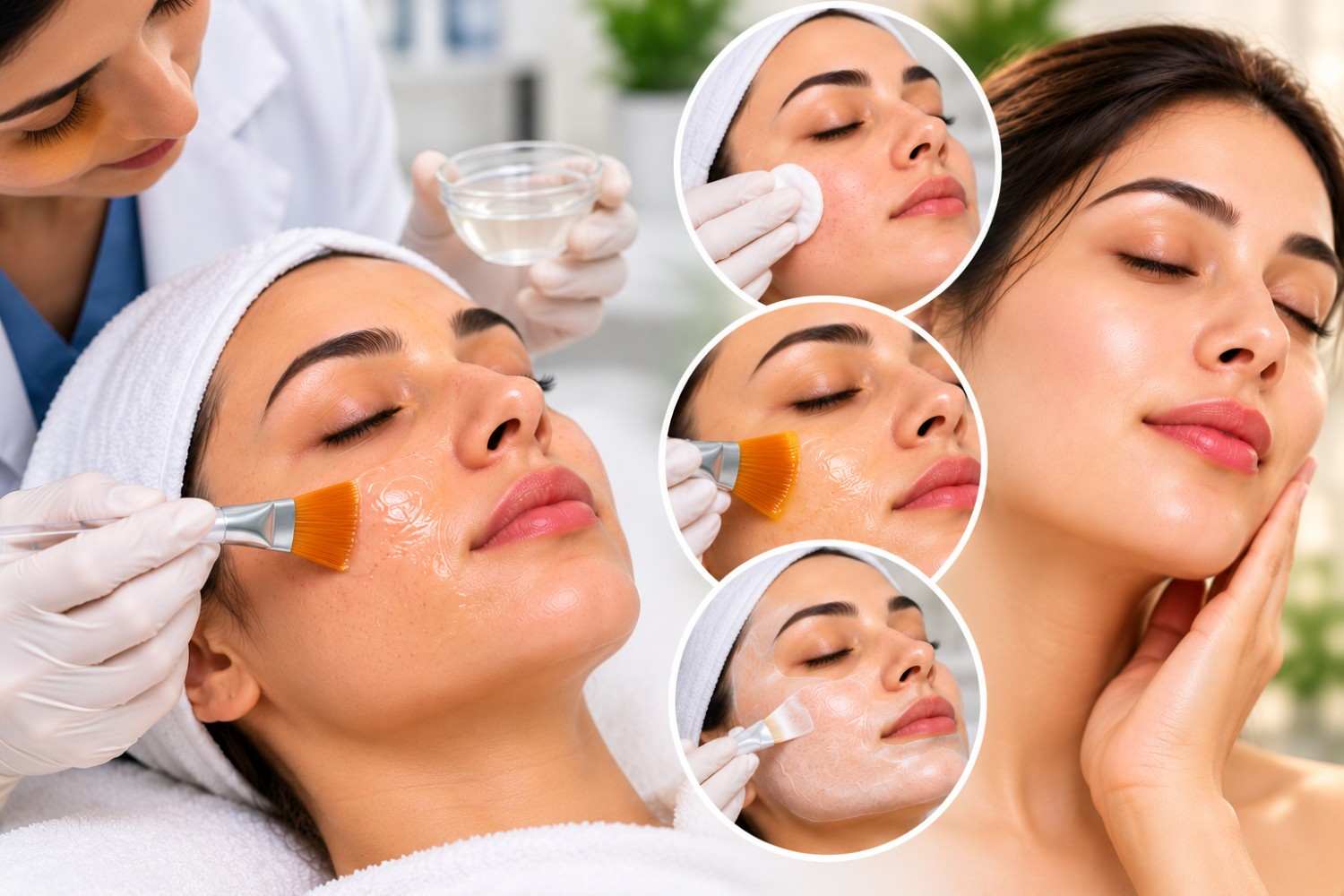
Chemical peels use selected chemical solutions to exfoliate the skin under controlled conditions. Depending on the peel and the individual's skin, they may be considered for certain types of uneven tone, superficial pigmentation, acne-related concerns, or rough texture.
Some skin treatments focus on improving hydration and the appearance of dry or tired-looking skin. The suitable option depends on the skin's condition, sensitivity, and medical history.
Pigmentation treatment begins with identifying its cause. Depending on the diagnosis, care may involve sun protection, prescribed topical products, or selected procedures. Some pigmentation conditions require long-term management and may recur with sun exposure or hormonal changes.
If acne marks or scars are making the skin look uneven, the treatment should be selected according to the type of mark or scar. Flat dark marks, redness, and indented scars are different concerns and may require different approaches.
Fine lines, dryness, and changes in skin texture can become more noticeable with age and cumulative sun exposure. A personalised plan may include sunscreen, moisturising products, selected topical ingredients, and suitable procedures where indicated. Treatment should be tailored to the individual's skin and expectations.
A dermatologist-guided approach can help you make informed decisions about your skincare. Potential benefits may include:

Choosing a clinic for a skin concern involves more than selecting a procedure. It is important to understand the diagnosis, treatment plan, possible risks, and follow-up requirements.
Nehete Skin and Hair Clinic is led by Dr. Sanket Nehete, MD, a dermatologist, dermatosurgeon, and hair transplant surgeon. The clinic's approach emphasises detailed consultation, clear explanations, and personalised treatment planning for skin, hair, and nail concerns.
Patients seeking Skin Glow Treatment in Nashik can discuss concerns such as dullness, uneven skin tone, pigmentation, acne marks, dryness, and skin texture during a consultation. Treatment recommendations should be based on an assessment rather than a one-size-fits-all approach.
Professional treatment works best when supported by a suitable everyday routine. These general tips can help maintain skin health:
Use a cleanser suitable for your skin type and avoid excessive scrubbing.
Use broad-spectrum SPF 30 or higher and reapply as directed, especially when spending time outdoors.
Choose a moisturiser that suits your skin and helps maintain the skin barrier.
Picking acne can increase inflammation and the risk of marks or scars.
Start products gradually and stop using them if significant irritation develops.
Adequate sleep, a balanced diet, and sufficient fluids support general wellbeing.
Persistent pigmentation, recurring acne, rashes, or sudden skin changes should be assessed by a qualified professional.
People concerned about dullness, uneven skin tone, dryness, mild pigmentation, rough texture, or acne-related marks may wish to consult a dermatologist. However, the best approach depends on the cause of the concern and the condition of the skin.
People with sensitive skin, active inflammation, a history of reactions to skincare products, or certain medical conditions may need extra care before undergoing a procedure. Inform the dermatologist about current medications, allergies, previous treatments, and any history of unusual skin reactions.
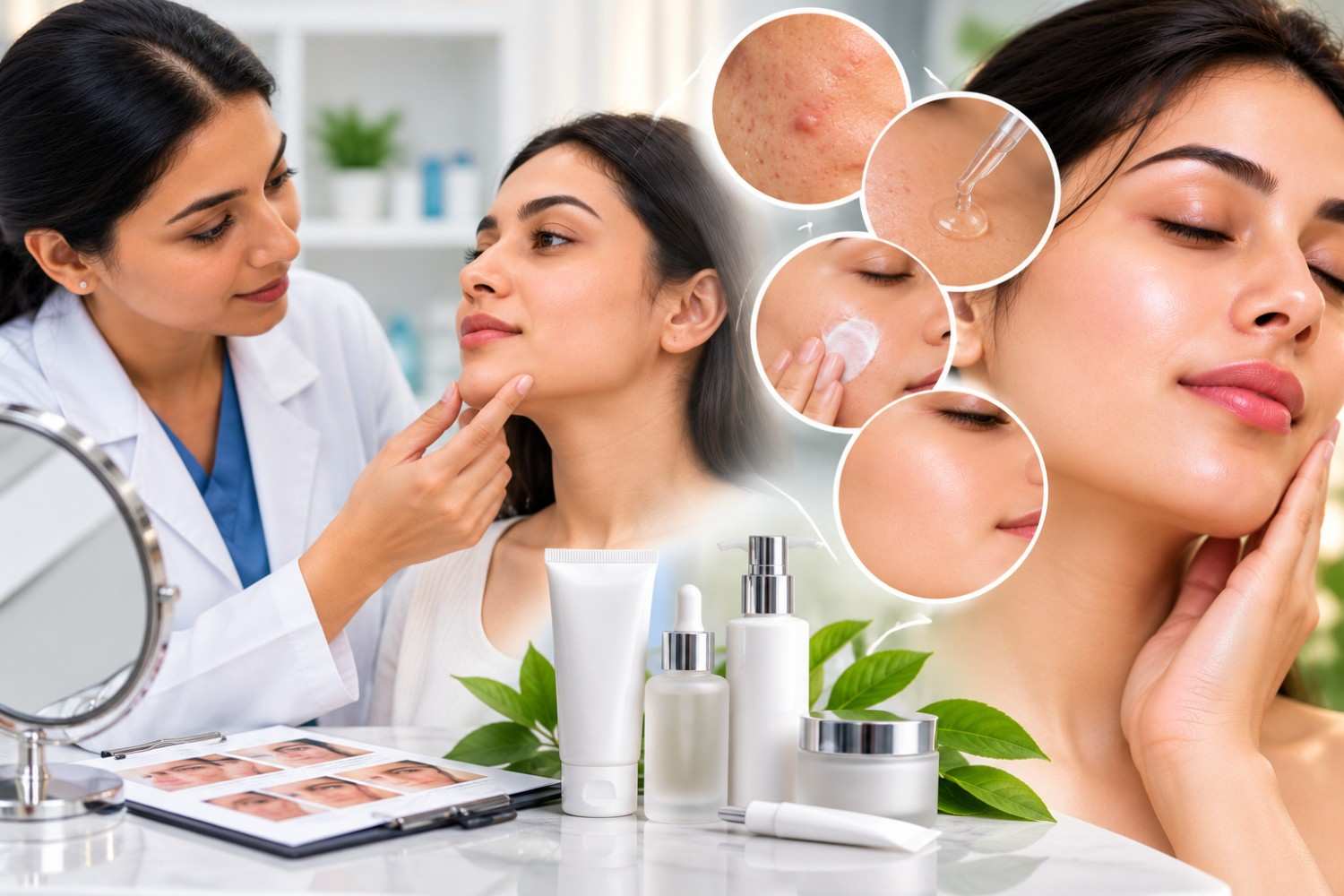
A skin consultation generally involves discussing your concerns, skincare habits, medical history, previous treatments, and expectations. The dermatologist may examine the skin and explain possible causes of the issue.
Based on the findings, you may receive recommendations for skincare products, medical treatment, a suitable procedure, or further evaluation if required. You should also receive guidance about possible side effects, aftercare, sun protection, and follow-up.
The purpose of the consultation is to help you make an informed decision. You should feel comfortable asking questions and discussing any concerns before beginning treatment.
If you are looking for Skin Glow Treatment in Nashik the first step towards healthier-looking skin is understanding your skin's individual needs. Dullness, pigmentation, dryness, acne marks, and uneven texture can have different causes, so choosing the right treatment requires proper assessment and realistic expectations.
At Nehete Skin and Hair Clinic, led by Dr. Sanket Nehete, MD (Dermatologist, Dermatosurgeon & Hair Transplant Surgeon), patients can discuss their skin concerns and learn about suitable care options. A personalised plan, appropriate skincare, sun protection, and follow-up can help support skin health over time.
The best option depends on your skin type and the concern being treated. A dermatologist may recommend a skincare routine, a chemical peel, hydration-focused care, or another suitable option after examining your skin. There is no single treatment that is best for everyone.
The cost depends on the type of treatment, the area being treated, the number of sessions if required, and the products or procedures involved. Contact the clinic directly for current pricing and a treatment plan based on your needs.
The number of sessions varies according to the procedure and the skin concern. Some concerns may improve with routine skincare, while others may require multiple sessions or ongoing management. Your dermatologist can explain the expected timeline.
Not every treatment is suitable for every skin type. Skin sensitivity, pigmentation tendency, active acne, medical history, and current medication can affect treatment selection. A professional assessment helps determine which options may be appropriate.
Some treatments may help reduce the appearance of certain types of pigmentation, but outcomes depend on the cause and depth of the pigmentation. Some conditions need ongoing care and sun protection, and pigmentation may return.